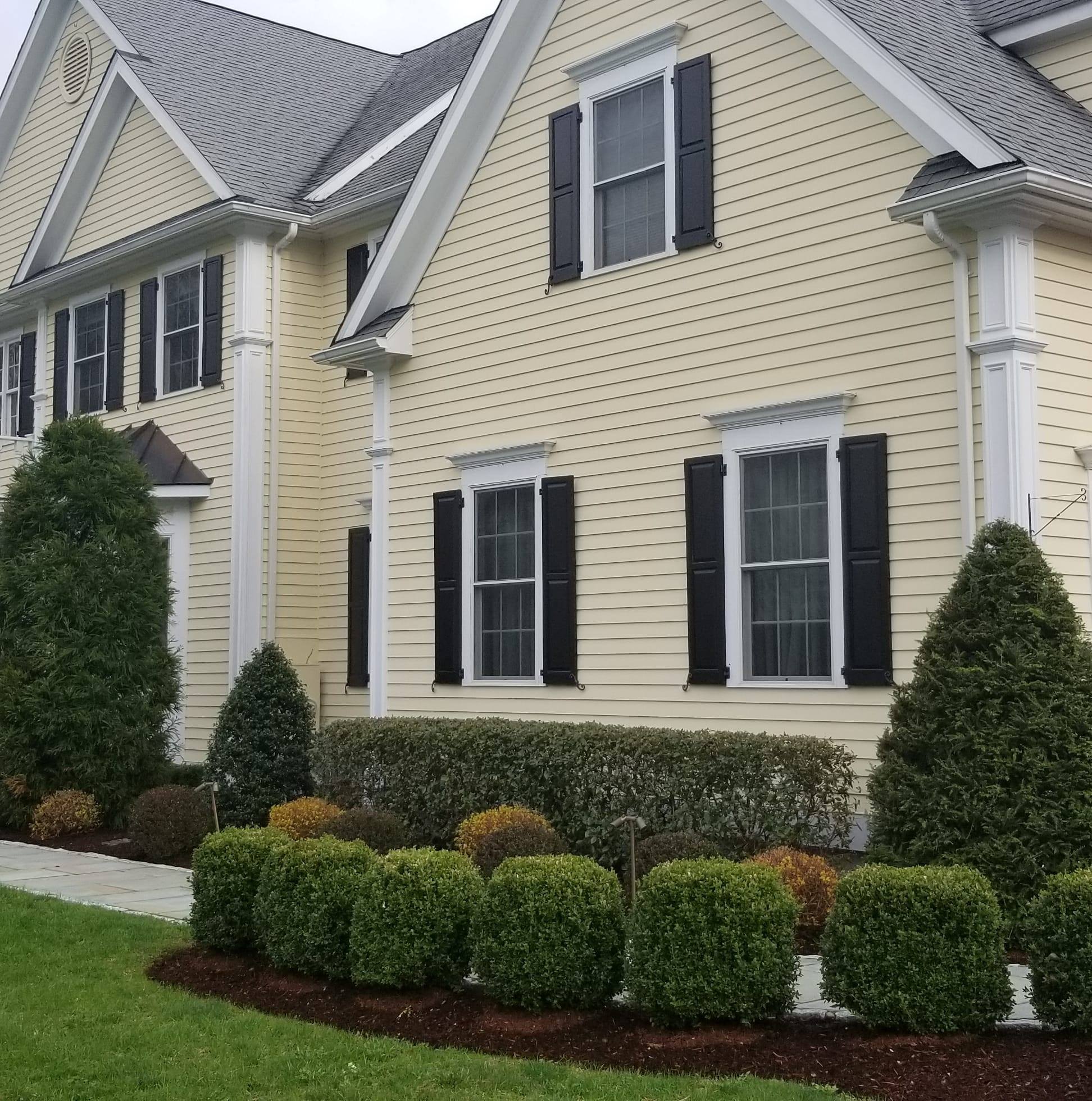
Future-Proof Your Garden: Adapting to Changing Climate with Innovative Designs Mar 13, 2026
Understanding the importance of resilient garden design is the first step in adapting to the changing climate. With unpredictable weather patterns, your garden should be prepared to withstand extreme conditions such as droughts, floods, and heatwaves. One of the most effective strategies is to select native plants that are well-adapted to local climates. Native species not only enhance your garden's resilience but also support local ecosystems and biodiversity.
Incorporating drought-tolerant plants can dramatically reduce water consumption, which is a crucial consideration in areas experiencing water scarcity. Succulents, ornamental grasses, and drought-resistant perennials are excellent choices. These plants are not only hardy but can also add unique textures and colors to your landscape. By reducing the need for constant watering, you are also contributing to the conservation of natural resources.
Another innovative approach is the implementation of rain gardens. These gardens are designed to capture and filter rainwater, reducing runoff and erosion while providing an ecological habitat for wildlife. By strategically placing rain gardens beneath gutters and other runoff sources, you not only manage stormwater effectively but also enrich the visual appeal of your yard. The use of permeable hardscape materials, such as gravel or porous pavers, can further enhance this by allowing rainwater to infiltrate back into the ground.
Mulching is a simple yet highly effective method to shield plants from extreme temperatures and keep soil moist. Organic mulch aids in soil improvement as it decomposes, fostering a healthy environment for plant roots. The use of compost materials is an environmentally friendly way to nourish your garden, boosting its structure and fertility without chemical fertilizers that may harm the environment.
Sustainable landscaping goes hand in hand with smart irrigation systems. Modern technology allows for automated irrigation solutions that optimize water use by delivering precise amounts when needed. Drip irrigation systems, which target the root zone directly, minimize water wastage and evaporation. Pairing these with moisture sensors ensures that your plants receive exactly what they need without overwatering, which can lead to root rot and pest problems.
Adopting a permaculture approach can likewise prepare your garden for future climatic shifts. This holistic method focuses on sustainable agriculture principles, promoting self-sufficiency and biodiversity. It involves techniques such as companion planting, where certain plants are grown together to enhance growth and health, and rotating crops to maintain soil health.
Landscape Innovations LLC is committed to integrating these innovative designs into your garden, ensuring it thrives now and in the future. By being proactive and embracing these climate-smart practices, you not only contribute to environmental conservation but also create a beautiful, functional outdoor space that can endure the challenges presented by a changing climate.
As you plan your next garden renovation, consider these strategies to ensure your landscape remains a haven of tranquility and sustainability. With the right choices and guidance, your green space can flourish despite the challenges of climate change. Let your garden reflect a commitment to both beauty and environmental responsibility. Reach out to Landscape Innovations LLC to explore more about future-proof designs tailored specifically for your garden.
/filters:no_upscale()/filters:format(webp)/media/87ca56d2-9acf-4b13-beb6-89831b18afa7.png)
/filters:no_upscale()/filters:format(webp)/media/a136e15a-5732-4b2d-a1be-2af0a9c74609.jpeg)