Embracing Nature's Palette: Integrating Color Theory in Landscape Design May 17, 2026
As we delve into the rich, visually stimulating world of color theory in landscape design, let's first unpack what color theory entails. At its core, color theory is the science and art of using color. It explains how humans perceive color and the visual effects of how colors mix, match, or contrast with each other. In landscaping, applying these principles can significantly influence the overall look and feel of your garden or yard.
Imagine your landscape as a canvas, where different colors play leading roles in setting moods and evoking emotions. Warm colors like reds, oranges, and yellows can create a sense of excitement and energy. These hues are perfect for drawing attention to focal areas or creating a lively atmosphere in entertainment spaces. On the other hand, cool colors such as blues, greens, and purples tend to have a calming effect, ideal for spaces meant for relaxation and meditation.
One key aspect of color theory is understanding color harmony—how different colors interact and complement each other. Harmony can be achieved in several ways. A monochromatic scheme, using different shades of a single color, offers a subtle and sophisticated look. Complementary schemes, which involve colors opposite each other on the color wheel, provide vibrant contrast—think of the dramatic effect of purple flowers against a backdrop of yellow foliage. Analogous schemes, incorporating colors next to each other on the wheel, give a more cohesive, serene look, like shades of blue and green in a water feature area.
At Landscape Innovations LLC, we believe that texture and seasonal variation also play crucial roles in landscape color design. Pairing diverse plant textures with coordinated color schemes not only adds depth but keeps your garden visually engaging throughout the year. Choosing plants that bloom in different seasons ensures that your landscape maintains its appeal across all months, with colors shifting naturally as the seasons change.
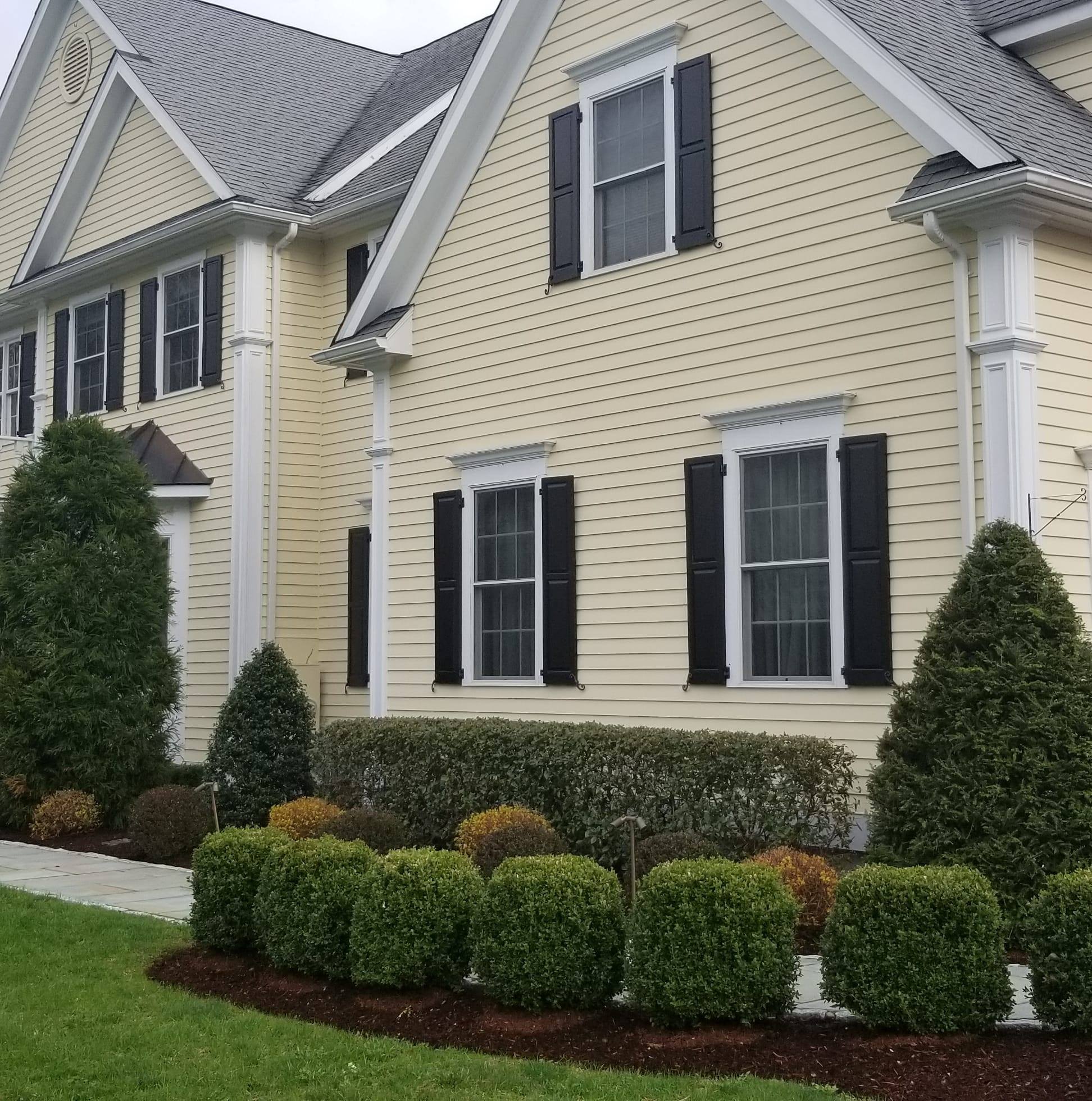
Another vital consideration is the surrounding architecture and environment. The colors used in your landscaping should harmonize with those of your home and its natural surroundings. For instance, a modern home with sleek design features may benefit from bold, contrasting colors, while a rustic dwelling could be enhanced with earthy tones that naturally blend with the environment.
So, how can you begin to apply these principles in your own garden? Start by observing your existing landscape. Consider which colors are already present, whether in plants or architectural features. Decide which mood you want to create or enhance. Is it a place for lively gatherings or quiet reflection? Engage with your space and let it inspire your palette selection.
In conclusion, by integrating color theory into your landscape design, you can create a cohesive and visually stunning outdoor space that reflects your personal style and preferences. Whether using bold contrasts for dramatic effect or subtle shades for tranquility, colors can enhance not only the visual appeal but also the emotional experience of your garden. At Landscape Innovations LLC, we're here to bring your vision to life, ensuring your outdoor space is as functional and inviting as it is beautiful.
/filters:no_upscale()/filters:format(webp)/media/87ca56d2-9acf-4b13-beb6-89831b18afa7.png)
/filters:no_upscale()/filters:format(webp)/media/a136e15a-5732-4b2d-a1be-2af0a9c74609.jpeg)